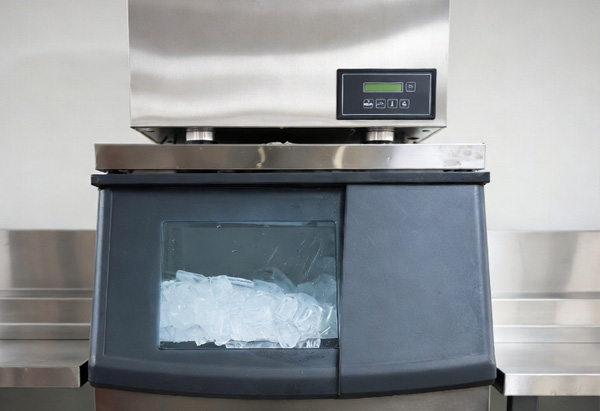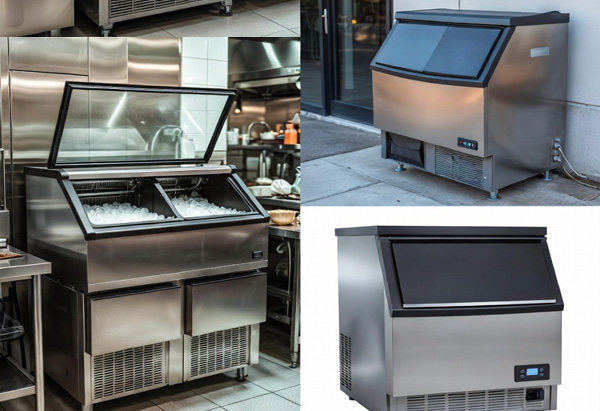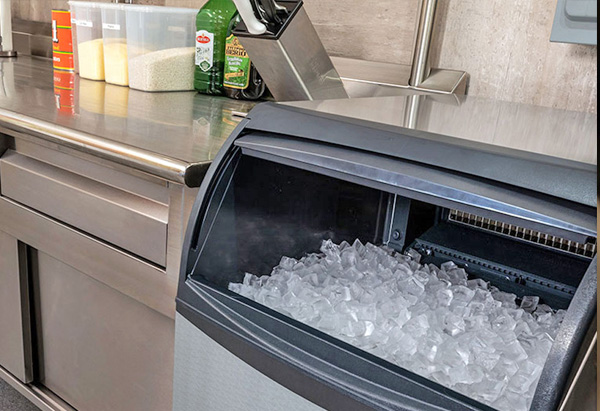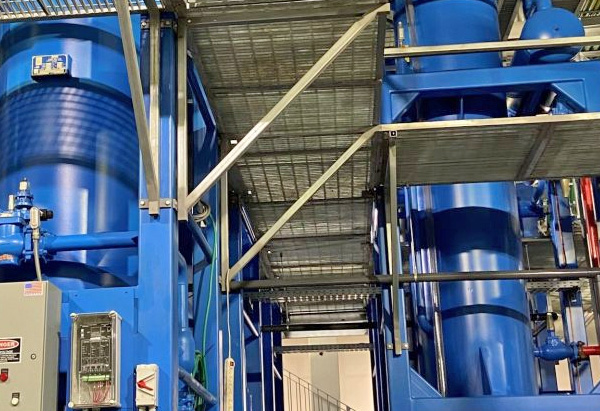
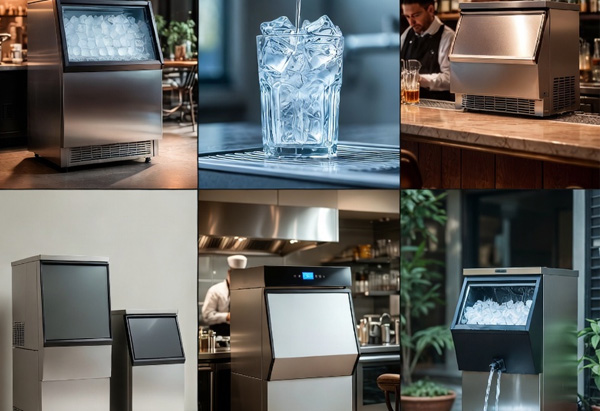
This resource center answers the most common questions businesses ask about commercial ice machines—including pricing, ice types, operating costs, energy usage, sanitation standards, and long-term ownership considerations. Each question links to a dedicated in-depth answer designed for real-world equipment planning and procurement.
Among commercial ice makers, Hoshizaki is widely regarded as making the best overall in 2026 for unmatched durability, quiet performance, and premium crescent ice quality that holds up in demanding environments. Manitowoc is a close...
Published: February 13, 2026
Read full answer →
For commercial ice makers, the top brands in 2026 are Hoshizaki, Manitowoc, Scotsman, and Ice-O-Matic, with Hoshizaki often called the best overall for exceptional build quality, quiet performance, and long-lasting crescent ice. Manitowoc follows closely...
Published: February 13, 2026
Read full answer →
Determining the best commercial ice machine brand depends on your needs, but Hoshizaki, Manitowoc, Scotsman, and Ice-O-Matic consistently rank at the top in 2026 reviews and real-world use. Hoshizaki leads for durability, quiet operation, and...
Published: February 13, 2026
Read full answer →
A 5-ton commercial ice cube machine—producing about 10,000 pounds per day—typically costs $50,000 to $120,000 or more depending on brand, features, and configuration. These large modular or industrial units use heavy-duty compressors, large evaporators, and...
Published: March 7, 2026
Read full answer →
The best commercial ice machine depends on your specific needs—daily volume, ice type, space, and environment—but top brands consistently rank high for reliability and performance. Hoshizaki leads for durable crescent ice and quiet operation. Manitowoc...
Published: March 5, 2026
Read full answer →
You can use tap water in a commercial ice machine, but only if it meets quality standards—otherwise it leads to scale, cloudy ice, bad taste, and breakdowns. Most municipal tap water needs filtration to remove...
Published: March 3, 2026
Read full answer →
Yes, mold and slime are very common in commercial ice machines when cleaning is skipped or inconsistent. Warm, moist interiors with standing water create perfect conditions for bacteria, algae, and black mold growth in bins,...
Published: March 1, 2026
Read full answer →
Commercial ice machines range from moderately priced to expensive depending on capacity and features. Small undercounter models start around $2,500–$5,500, mid-size units go $6,000–$12,000, and large or specialized machines often exceed $15,000. Installation, bins, and...
Published: February 27, 2026
Read full answer →
Yes, commercial ice machines need regular maintenance to run reliably and avoid breakdowns. Clean condenser coils every 1–3 months, change water filters every 6 months, sanitize the bin and interior weekly to monthly, descale the...
Published: February 25, 2026
Read full answer →
Commercial ice machines range widely in price depending on capacity and type. Small undercounter models making 200–400 pounds per day usually cost $2,500 to $5,500. Mid-size units producing 500–1,000 pounds fall between $6,000 and $12,000....
Published: February 23, 2026
Read full answer →
Running a commercial ice maker typically costs $100 to $450 per month depending on size, efficiency, and local rates. Electricity is the main expense—mid-size machines use 400 to 900 kilowatt-hours monthly, which equals $60 to...
Published: February 21, 2026
Read full answer →
For commercial ice machines, the electric bill climbs most from the compressor running long cycles in hot or poorly ventilated kitchens, dirty condenser coils forcing overwork, inefficient older models with high kWh per pound, or...
Published: February 19, 2026
Read full answer →
Running a commercial ice machine business has some real challenges. High upfront costs for quality equipment and installation can tie up capital. Ongoing electricity and water bills add up, especially for older or high-output machines....
Published: February 17, 2026
Read full answer →
The most common reason a commercial ice maker stops working is dirty or clogged condenser coils. Dust, grease, and lint build up on the coils and block airflow, causing the machine to overheat, trigger safety...
Published: February 15, 2026
Read full answer →
A commercial ice maker is usually worth it for any business that goes through more than a few hundred pounds of ice weekly. The upfront cost pays back quickly by eliminating bagged ice deliveries, which...
Published: February 13, 2026
Read full answer →
Commercial ice makers do use a noticeable amount of electricity, but it’s not as high as many people think when you look at efficiency. A typical mid-size unit producing 500–800 pounds per day consumes 400–900...
Published: February 13, 2026
Read full answer →
Commercial ice machines run into a handful of recurring issues that can slow production or stop them completely if ignored. The most frequent ones include dirty condenser coils causing overheating, low or no ice from...
Published: February 13, 2026
Read full answer →
Picking the right ice type comes down to what you use it for most. Cube ice works best for beverages because it melts slowly and fills glasses well—perfect for restaurants and bars. Nugget ice shines...
Published: March 6, 2026
Read full answer →
Remote condenser ice machines move the heat and noise outside, which brings big advantages in hot kitchens or tight spaces. The biggest pros are steady production no matter how warm it gets indoors, much quieter...
Published: March 1, 2026
Read full answer →
Nugget ice machines are a favorite in healthcare because the soft, chewable texture makes them safe and easy for patients to use. Popular 2026 models include Ice-O-Matic GEMU090 producing around 85 pounds a day and...
Published: February 24, 2026
Read full answer →
Energy-efficient commercial ice machines usually cost 10 to 25 percent more at purchase, but they often pay for themselves in a few years through lower utility bills. These models use better compressors, thicker insulation, and...
Published: February 19, 2026
Read full answer →
Ice type has a bigger impact on price than many people expect. Cube ice machines stay the most affordable because the production process is simple and puts less stress on parts. Flake and nugget machines...
Published: February 14, 2026
Read full answer →
The cost gap between commercial and industrial ice machines comes more from how they are built to work than just size. Commercial models for restaurants, hotels, bars, and healthcare usually range from $3,000 to $15,000...
Published: February 9, 2026
Read full answer →
Running a commercial ice machine typically costs between $100 and $450 per month, depending on size, efficiency, and how you use it. Electricity is the biggest piece—mid-size machines use 400 to 900 kilowatt-hours monthly, which...
Published: February 4, 2026
Read full answer →
Several key factors drive the price of a commercial ice machine. Daily production capacity is the biggest one—higher output means a larger compressor and more robust build, so costs rise quickly. The type of ice...
Published: January 30, 2026
Read full answer →
Commercial ice machine prices in 2026 depend on size, type, and features, but you can expect a realistic range. Small undercounter models producing 200 to 400 pounds a day usually cost between $2,500 and $5,500...
Published: January 25, 2026
Read full answer →
Nugget ice's popularity in commercial settings stems from its soft, chewable texture, quick cooling, and versatility. Known as Sonic or pellet ice, it's favored in healthcare for patient hydration (easy swallow), fast-food for fountain drinks...
Published: February 8, 2026
Read full answer →
Flake ice, produced by commercial machines, is ideal for food displays, seafood packing, and medical uses due to its soft, moldable texture and rapid cooling. Applications: supermarkets for produce/seafood preservation (molds around items, prevents bruising),...
Published: February 7, 2026
Read full answer →
For events and food trucks, the best portable commercial ice machines are compact, durable, and high-output with easy mobility. Top choices: NewAir NIM030SS00 (30 lbs/day, countertop, battery option) for light use. Maxx Ice MIM50P (50...
Published: February 6, 2026
Read full answer →
Choosing the right ice bin size for your commercial ice machine ensures buffer during peaks without wasting space or energy. Match bin capacity to 50–150% of daily production: for 500 lbs/day machine, 250–750 lb bin....
Published: February 5, 2026
Read full answer →
Water filters are crucial for commercial ice machines to ensure clear, tasteless ice, prevent breakdowns, and comply with health standards. They remove sediments, chlorine, minerals that cause scale buildup on evaporators, reducing efficiency by 20–30%...
Published: February 4, 2026
Read full answer →
If your commercial ice machine isn't making ice, start troubleshooting systematically to avoid costly calls. Check power: ensure plugged in, breaker not tripped, voltage correct (115/208V). Water supply: verify inlet valve open, pressure 20–80 psi,...
Published: February 3, 2026
Read full answer →
Essential parts and accessories enhance commercial ice machine performance, hygiene, and convenience. Key items: water filters ($100–$300) prevent scale and improve taste; storage bins ($500–$3,000) hold 200–1,000+ lbs with scoops. Dispensers ($500–$2,000) for hands-free serving...
Published: February 2, 2026
Read full answer →
Buying used commercial ice machines saves 30–60% upfront ($1,000–$5,000 vs $2,000–$10,000 new) and offers quick availability, but risks higher repairs and shorter lifespan. New units provide warranties (3–5 years), latest efficiency/tech (app controls, eco-refrigerants), and...
Published: February 1, 2026
Read full answer →
Deciding to lease or buy a commercial ice machine for your restaurant depends on cash flow, usage, and long-term plans. Buying upfront ($2,000–$10,000) owns the asset, allows depreciation tax benefits, and saves long-term (no interest),...
Published: January 31, 2026
Read full answer →
The most energy efficient commercial ice machines prioritize low kWh per 100 lbs ice, often ENERGY STAR certified with advanced features. Top models include Hoshizaki KM-520MAJ (3.8 kWh/100 lbs, air-cooled modular 556 lbs/day) with efficient...
Published: January 30, 2026
Read full answer →
Comparing Manitowoc and Hoshizaki commercial ice machines highlights strengths in reliability, efficiency, and features. Manitowoc excels in modular designs with high output (up to 2,000 lbs/day), innovative Indigo NXT series with app monitoring, and affordable...
Published: January 29, 2026
Read full answer →
Extending the lifespan of your commercial ice machine to 10–15+ years requires consistent maintenance to prevent breakdowns and inefficiency. Tip 1: Clean and sanitize every 3–6 months using manufacturer-approved solutions to remove scale, slime, and...
Published: January 28, 2026
Read full answer →
Installing a commercial ice machine requires careful planning to ensure safety, efficiency, and compliance. Step 1: Choose location with access to water (1/4–3/8 inch line, 20–80 psi), drain (floor or standpipe), electricity (115/208V dedicated circuit),...
Published: January 27, 2026
Read full answer →
The cost of a commercial ice machine varies widely based on size, type, and features, typically ranging from $1,000 for basic undercounter models to $10,000+ for high-capacity modular units. Entry-level air-cooled cubers (200–500 lbs/day) start...
Published: January 26, 2026
Read full answer →
For small businesses like cafes, food trucks, or boutique hotels in 2026, the best commercial ice machines balance compact size, reliable output, and energy efficiency without breaking the bank. Top picks include the Manitowoc UDF-0140A...
Published: January 25, 2026
Read full answer →
Commercial ice machines face several recurring issues that disrupt production if ignored. Dirty condenser coils (dust/grease buildup) cause overheating and reduced output—clean every 3–6 months with coil brush/vacuum. Low ice production often stems from poor...
Published: January 25, 2026
Read full answer →
Sizing a commercial ice machine correctly prevents shortages during peak times and avoids overspending on oversized equipment. Start by estimating daily ice usage: restaurants often use 1.5–2 lbs per customer/meal served, bars need more for...
Published: January 25, 2026
Read full answer →
The main difference between air-cooled and water-cooled commercial ice machines lies in how they dissipate heat from the refrigeration process. Air-cooled models (most common and cost-effective) use fans to blow ambient air over condenser coils,...
Published: January 25, 2026
Read full answer →
Commercial ice machines produce several main types of ice, each suited to specific business needs. The most common is full cube or half cube ice—clear, hard cubes ideal for beverages in restaurants and bars because...
Published: January 25, 2026
Read full answer →
Determining the right daily ice production capacity is crucial when selecting a commercial ice machine for a restaurant. Most restaurants need between 300 to 1000 pounds of ice per 24 hours depending on seating capacity,...
Published: January 25, 2026
Read full answer →
Energy-efficient ice machines typically cost 10–25% more upfront, but they often deliver meaningful savings over their operating life. High-efficiency models use advanced compressors, improved insulation, and smarter controls to reduce electricity and water consumption. For...
Published: January 21, 2026
Read full answer →
Ice type has a direct and often underestimated impact on ice machine pricing. Cube ice machines are typically the most affordable due to simpler production mechanisms and lower mechanical stress. Flake and nugget ice machines...
Published: January 21, 2026
Read full answer →
The cost difference between commercial and industrial ice machines is driven less by size alone and more by how the equipment is engineered to operate over time. Commercial ice machines generally range from $3,000 to...
Published: January 21, 2026
Read full answer →
Monthly operating costs for commercial ice machines typically range from $100 to $450 depending on capacity, efficiency, and operating environment. Electricity is the largest variable expense, with mid-sized machines often consuming 400–900 kWh per month,...
Published: January 21, 2026
Read full answer →
Commercial ice machine pricing is shaped by several interrelated factors, with daily ice output being only the most visible. Ice type plays a major role, as cube, flake, nugget, and tube ice require different production...
Published: January 21, 2026
Read full answer →
In 2026, commercial ice machine pricing reflects more than simple equipment cost; it represents a combination of capacity, efficiency, regulatory compliance, and long-term operating economics. Entry-level commercial ice machines producing roughly 200–400 pounds of ice...
Published: January 21, 2026
Read full answer →
National Ice Systems publishes in-depth guidance on commercial ice machine types, production capacity planning, and realistic ice machine price ranges based on real operational requirements—not consumer retail listings.
Review Commercial Ice Options