
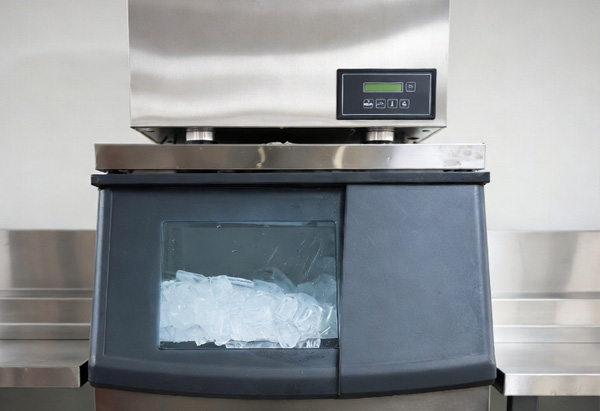
Direct answer: Choose a commercial ice machine type by the ice your business needs. Hard cube and crescent ice suit beverage service; nugget ice provides a soft, chewable texture; flake ice molds around displayed products and transfers heat quickly; specialty gourmet ice emphasizes clarity and presentation. Each choice changes machine, storage and maintenance needs.
Use this answer with the commercial ice machine type guide to connect the application to the right ice form and equipment format.
Cube and Nugget Ice Machines for Beverages
Compare commercial cube ice machines for slow-melting full cubes, tightly packed half cubes or crescent pieces that resist clumping, and commercial nugget ice machines for chewable ice. Compare drink displacement, melt, fountain compatibility and customer expectations using samples when presentation matters.
Flake Ice Machines for Food Display
Commercial flake ice machines produce ice that conforms around seafood, produce and containers. Continuous ice can also serve selected healthcare and process uses. Confirm sanitation and application requirements rather than treating every pound of ice as interchangeable.
Choosing a Commercial Ice Machine Type
Choosing a commercial ice machine type affects production mechanism, dispenser compatibility, bin behavior, water use, cleaning procedures and service needs. Settle the application before requesting prices.
Commercial Ice Machine Types Checklist
- Primary use
- Preferred texture and melt
- Glass or dispenser compatibility
- Handling and storage method
- Sanitation requirements
- Local service for the machine type
Commercial Ice Machine Types: Compare Equipment Prices
Give suppliers the same demand, equipment and installation requirements so price differences are meaningful.
Commercial Ice Machine Types References
This answer was reviewed September 9, 2026. Pricing examples, specifications, incentives and regulations can change; verify the current model documents and local requirements before purchase or installation.