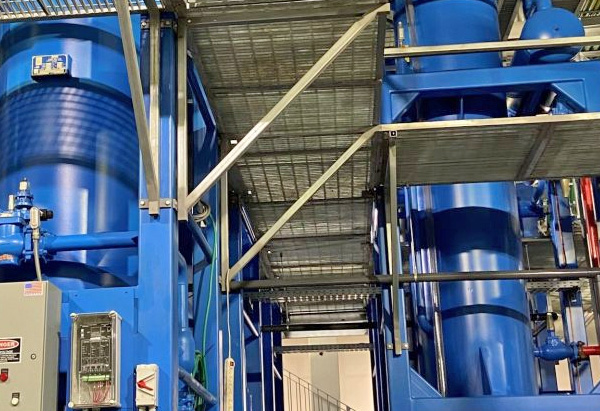
National Ice Systems supplies commercial and industrial ice machines for restaurants, hotels, healthcare facilities, laboratories, and high-volume foodservice operations. Our systems are selected and priced based on real production requirements, operating environments, and long-term reliability.


Ice machine pricing is driven by daily production capacity, ice type, duty cycle, and installation requirements. Systems intended for continuous operation are engineered differently than light-use equipment, which is reflected in both pricing and lifespan.
Electricity, water usage, filtration, and maintenance determine long-term operating cost. Proper system selection reduces downtime risk and controls operating expense over the life of the equipment.
Ice demand increases with throughput, service volume, and production requirements. Systems must be sized correctly to maintain consistency without introducing operational risk or unnecessary cost.
Common questions about pricing, system sizing, operating cost, and equipment performance.
Commercial ice machine pricing in 2026 depends on daily production capacity (50–3,000+ lbs/day), ice type (cube, nugget, flake, crescent), condenser configuration (air-cooled vs water-cooled), energy efficiency (ENERGY STAR models cost more upfront but save long-term), brand (Manitowoc, Hoshizaki, Scotsman premium pricing), build quality, warranty, and duty cycle expectations. Machines built for continuous high-volume use in restaurants, hotels, or healthcare carry higher commercial ice machine cost but reduce long-term risk and downtime. Learn the full list of pricing drivers in the top factors section of our 2026 pricing guide or read the detailed FAQ: What factors most affect commercial ice machine pricing.
In 2026, how much does a commercial ice machine cost ranges widely: small undercounter models (50–300 lbs/day) start at $1,500–$4,500; mid-range cube/nugget machines (300–1,000 lbs/day) cost $4,000–$12,000; high-capacity modular and industrial units (1,000–3,000+ lbs/day) reach $10,000–$30,000+. Premium brands and energy-efficient options push prices higher, while generics are lower. The real number is Total Cost of Ownership (TCO) — add installation ($500–$2,500), monthly operating costs ($50–$300), maintenance ($300–$1,000/year), and repairs. See the detailed 2026 price breakdown by ice machine type or full guide: What does a commercial ice machine cost in 2026.
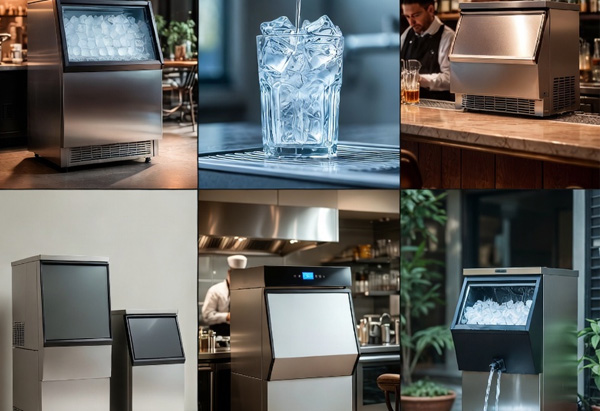
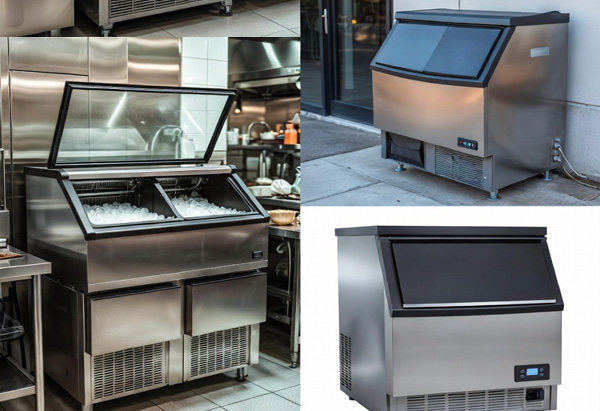
Selecting proper commercial ice machine capacity prevents shortages and wasted money. Base it on peak demand (not just average), operating hours, business type (restaurant, bar, hotel, healthcare), and redundancy needs. Undersized machines cause downtime and force costly bagged ice purchases; oversized units inflate commercial ice machine prices and energy costs. Use our sizing calculator and check the cost by production volume section or read the full guide: How do I calculate the right size commercial ice machine for my business. For visual help on different ice types and capacities, see our commercial ice machine types overview.
Buying used commercial ice machines saves 40–70% on upfront commercial ice machine cost and provides quick setup, but risks higher repairs, shorter lifespan, and limited/no warranty. New machines offer full 3–5 year warranties, latest efficiency, and lower long-term TCO — ideal for high-volume use. Compare both in the new vs used cost comparison or read the detailed FAQ: Pros and cons of buying used vs new commercial ice machines.
Leasing a commercial ice machine for a restaurant keeps upfront costs low ($150–$600/month), often includes maintenance/warranty, and preserves cash flow — great for startups or seasonal businesses. Buying builds equity, allows tax depreciation, and typically lowers long-term commercial ice machine costs. See the full strategy breakdown in Buy new, lease, or buy used or our dedicated guide: Should I lease or buy a commercial ice machine for my restaurant?.
ENERGY STAR-rated models from Manitowoc, Hoshizaki, and Scotsman lead as the most energy efficient commercial ice machines in 2026, cutting electricity use by 10–25% and often qualifying for rebates. These lower monthly commercial ice machine operating costs in high-volume settings. See top picks and cost-benefit analysis: Most energy efficient commercial ice machines on the market and operating costs section.