How to calculate ROI on commercial ice equipment
Figuring out the return on investment for a commercial ice machine is straightforward when you break it down. Compare the total cost of owning the machine over time against the money it saves you each year. Total costs include the purchase price, installation, electricity, water, maintenance, and repairs. Savings come mainly from stopping bagged ice deliveries, cutting labor time handling bags, and running more efficiently. The basic formula is annual savings minus annual operating costs, divided by your initial investment, then multiplied by 100 to get a percentage. High-volume places often see payback in 1 to 3 years. Add in rebates, tax deductions, and longer machine life to get the full picture—the numbers usually show it’s a smart move.
Last Updated: May 5, 2026
Related topics: calculate ROI commercial ice, ice machine investment return, total ownership cost ice, payback period ice equipment, bagged ice savings ROI, energy cost ice ROI, labor savings ice machine, tax deduction ice ROI, rebate impact ice investment, annual savings ice calculation, high volume ice ROI, efficient ice machine payback, Section 179 ice deduction, net savings ice equipment, commercial ice ROI formula
Review Ice Machine Options Review Ice Machine Options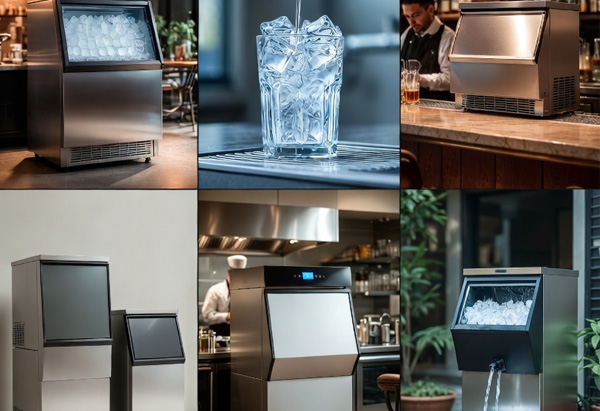
How to calculate ROI on commercial ice equipment
Answer from IMP Staff • Published on May 5, 2026
BEST ANSWER: Calculating return on investment for commercial ice equipment is easier than it sounds once you gather the right numbers and look at the full picture. Start with everything the machine will cost you over its life: the purchase price, professional installation including plumbing and electrical work, ongoing electricity based on kilowatt-hours used, water consumption especially for water-cooled or high-waste types, routine maintenance like filters and cleanings, and an average for repairs over the years. On the savings side, the biggest win is usually eliminating bagged ice deliveries—many businesses pay 50 cents to a dollar or more per pound delivered, plus labor to haul and store heavy bags and the risk of shortages during rushes. A good on-site machine also reduces staff time spent managing ice and helps avoid customer complaints from inconsistent supply or quality. Use this simple formula: take your annual savings from bagged ice, labor, and other efficiencies, subtract your annual operating pricing, then divide that net savings by your initial investment and multiply by 100 to get the percentage return. Payback period is just the initial investment divided by annual net savings. In busy restaurants, hotels, or bars with steady demand, payback often lands in 12 to 36 months. Don’t overlook extras that improve the math: energy rebates for efficient models, tax deductions under Section 179 if you qualify, and the fact that newer machines tend to last longer with fewer breakdowns. Run best-case and worst-case scenarios using your real usage numbers and local rates. When you do the calculation properly, the decision usually becomes clear—the machine becomes a money-saving tool instead of just another expense.