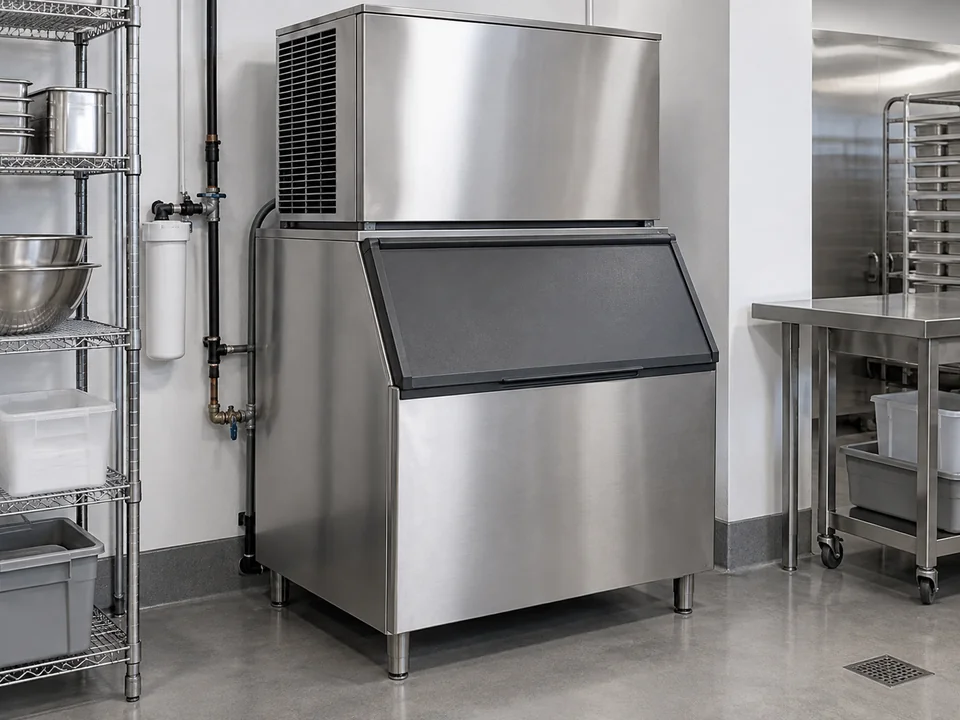
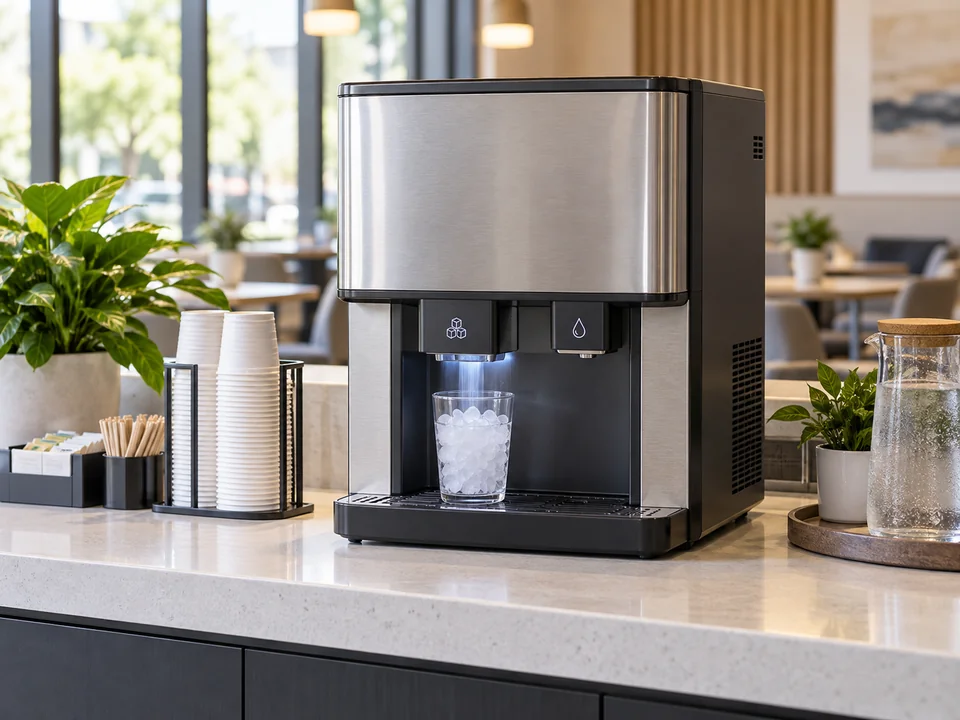
Commercial ice machines are engineered for specific ice forms, production volumes, and operating environments. This guide explains the primary types of ice machines used in restaurants, hotels, healthcare facilities, laboratories, food processing plants, and industrial operations, and how businesses select the right system based on demand and application.
Request system details
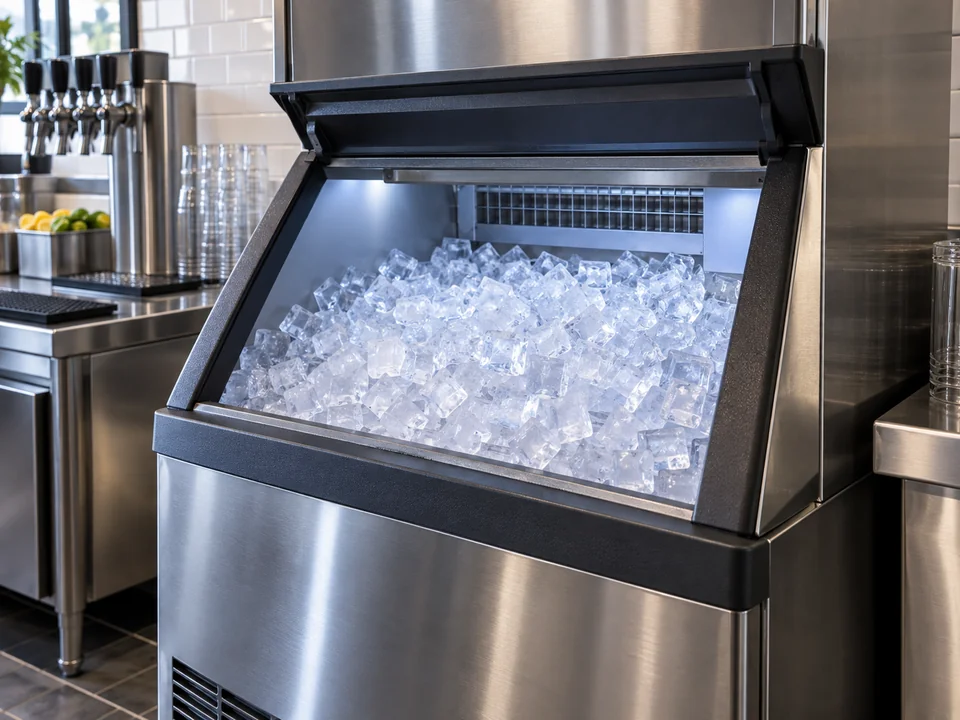
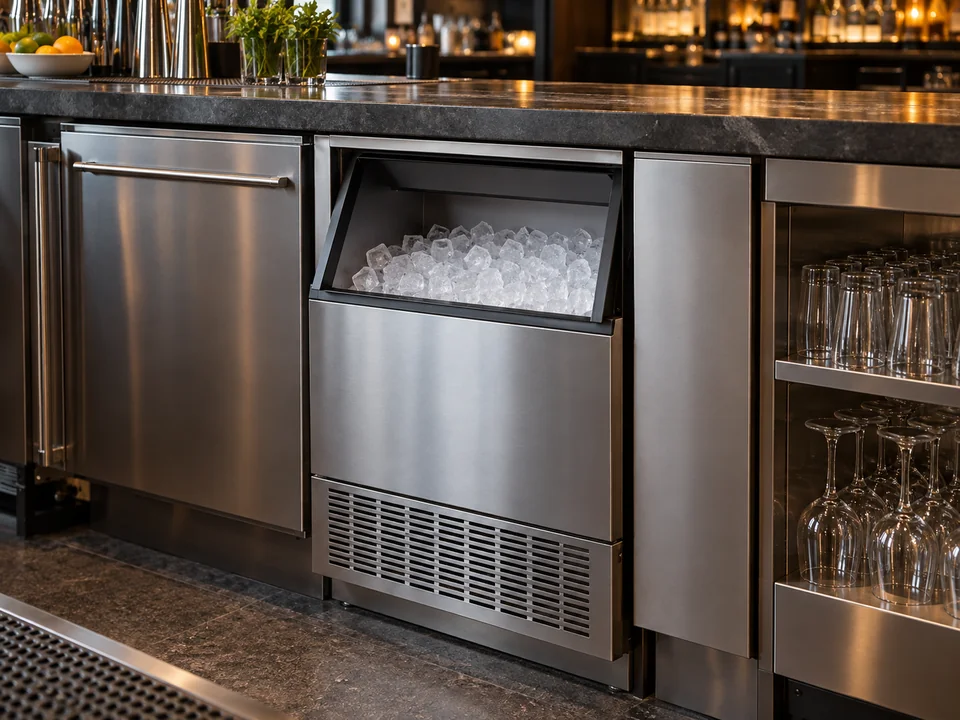
Cube ice machines are the most common commercial ice systems used in restaurants, bars, hotels, and institutional foodservice environments. These machines produce uniform, free-standing cubes designed to cool beverages efficiently while minimizing melt rate.
Cube ice machines are valued for consistency and simplicity. They typically offer lower mechanical wear compared to other ice types, which can translate to longer service life when properly sized and maintained. Production capacity ranges from compact undercounter units to high-output systems supporting banquet service and hospitality operations.
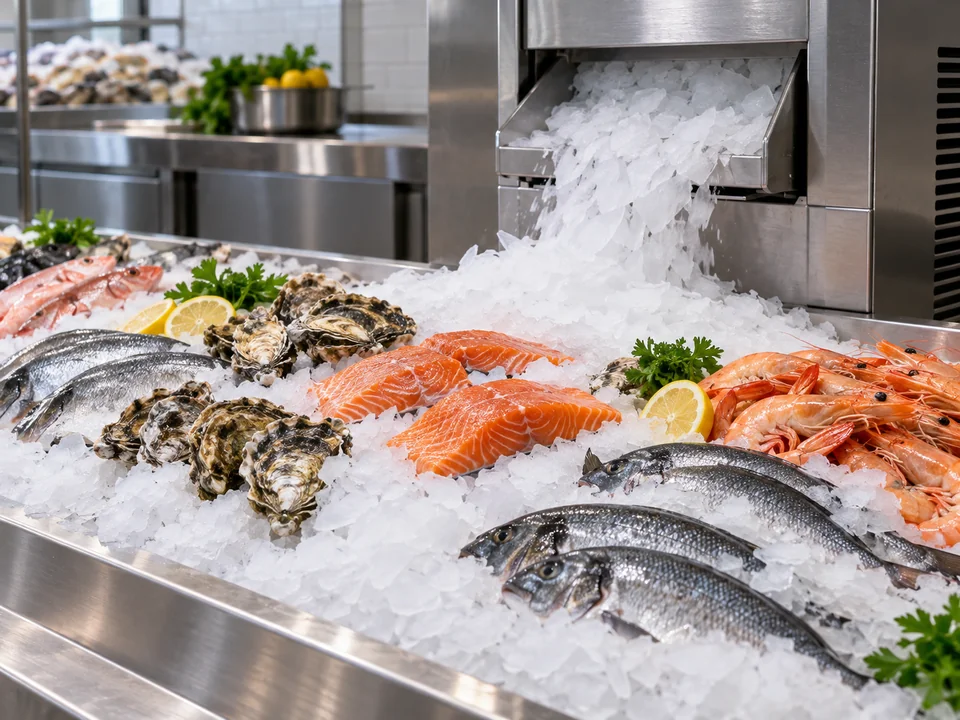
Flake ice machines produce soft, flat ice that molds easily around products. This ice type is commonly used in food processing, seafood display, healthcare, and laboratory environments where rapid cooling and surface contact are critical.
Because flake ice is continuously shaved from a freezing surface, these machines are built for constant operation. They require heavier-duty components and regular maintenance, making them well-suited for industrial or process-driven applications rather than intermittent foodservice use.
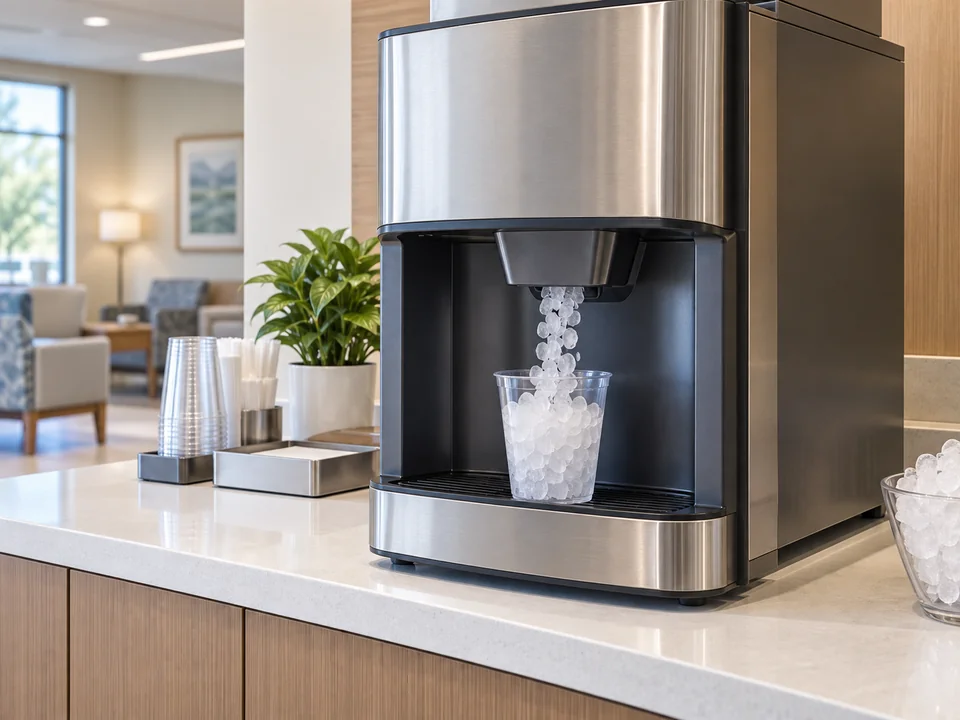
Nugget ice machines produce soft, chewable ice that is popular in healthcare facilities, corporate dining, and high-end beverage service. Nugget ice retains liquid and provides rapid cooling while remaining easy to consume.
These systems rely on auger-based production methods, which increases mechanical complexity. As a result, nugget ice machines are typically more expensive than cube ice systems and require careful sizing to ensure durability under continuous demand.
Tube ice machines produce cylindrical ice with a hollow core. This ice type is widely used in industrial cooling, beverage bottling, and large-scale distribution environments due to its structural strength and slow melt rate.
Tube ice systems are typically larger and more infrastructure-intensive than traditional commercial machines. They are selected for operations requiring consistent, high-volume ice production over extended periods.
Block ice machines and industrial ice systems are designed for large-scale production, cold storage, logistics, and specialized industrial uses. These machines produce dense ice blocks or bulk ice intended for transport, processing, or extended cooling cycles.
Industrial ice systems involve higher upfront investment and complex installation requirements, including electrical capacity, water flow, and material handling integration. They are typically deployed where ice is a core operational input rather than a support function.
When exploring different commercial ice machine types, it's tempting to pick based on the lowest price tag alone, but the real key to success and cost savings lies in selecting the right commercial ice machine types that match your business needs precisely. Commercial ice machine types—such as cube ice machines, nugget ice machines, flake ice machines, crescent ice machines, and more—each produce distinct ice forms with unique shapes, melt rates, textures, and applications, directly impacting beverage quality, customer satisfaction, operational efficiency, and long-term costs. Focusing on the best commercial ice machine types for your specific use case prevents common pitfalls: choosing cube ice machines that melt too slowly for quick-service drinks, nugget ice machines that aren't ideal for displays, or flake ice machines that lack the clarity needed for premium cocktails. For instance, a restaurant might invest in crescent ice machines for their slow-melt, low-splash properties that preserve drink integrity, while a healthcare facility benefits more from nugget ice machines (also called chewable ice machines or Sonic ice machines) due to their soft, easy-to-chew texture preferred by patients. Selecting mismatched commercial ice machine types can lead to higher operational costs, wasted energy, frequent refills, or unhappy customers—ultimately inflating your total ownership expenses.
To optimize your choice among commercial ice machine types in 2026, start by evaluating your primary applications and volume requirements. Restaurants and bars often favor cube ice machines (full cube ice machines or half cube ice machines) for their clear, hard ice that chills drinks evenly without excessive dilution, making them versatile for mixed cocktails, sodas, and table service. Upscale venues and cocktail bars frequently prefer crescent ice machines for their curved, half-moon shape that reduces splashing, packs glasses efficiently, and melts slowly to maintain flavor profiles—ideal for premium beverages. Nugget ice machines shine in fast-food spots, convenience stores, hospitals, and healthcare settings where chewable, soft nugget ice (also known as pellet ice or chewblet ice) enhances patient comfort and drink enjoyment. Flake ice machines excel in seafood displays, produce packing, salad bars, and blended drinks, offering quick-chilling, moldable soft flakes that cool rapidly without the hardness of cubes. Gourmet ice machines or specialty types like sphere ice machines add a premium touch for high-end hotels and events, though they come at a higher price point. Use our guide to the different types of ice made by commercial ice machines to match shapes and textures to your exact needs.
Invest in quality commercial ice machine types from reliable brands to ensure durability, efficiency, and minimal downtime. Premium options like Hoshizaki crescent ice machines or Manitowoc cube ice machines often cost more upfront but deliver superior performance, longer lifespans, and lower energy use—reducing long-term costs significantly. Dive into our Manitowoc vs. Hoshizaki commercial ice machines comparison to see how these top brands stack up across different commercial ice machine types. For small businesses, undercounter ice machines producing cube or nugget ice provide compact, efficient solutions—check our best commercial ice machines for small businesses in 2026.
Don't overlook how commercial ice machine types influence hidden costs: flake ice machines and nugget ice machines may require more frequent maintenance due to their mechanisms, while cube ice machines and crescent ice machines tend to have simpler, more reliable designs. Factor in energy efficiency, production speed, and compatibility with your setup to avoid surprises. Refer to our resources on how ice type affects the cost of an ice machine and how much ice a commercial ice machine produces per day for a restaurant for tailored insights.
When you select the optimal commercial ice machine types—whether cube ice machines for general versatility, crescent ice machines for bar excellence, nugget ice machines for chewable appeal, or flake ice machines for rapid cooling—you gain consistent, high-quality ice that keeps operations running smoothly, delights customers (from crystal-clear cocktails to soft, enjoyable hospital ice), and drives strong ROI through reduced waste, energy savings, and fewer service calls. Whether prioritizing volume for hotels, hygiene for healthcare, or presentation for restaurants, the right commercial ice machine types become a reliable asset for years.
Curious about which commercial ice machine types suit your business best in 2026? Contact us for expert recommendations tailored to your needs.
Request Custom 2026 Pricing & Recommendations