
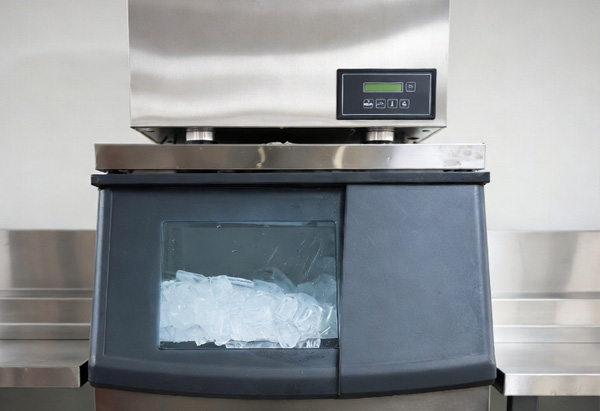
What are the different types of ice made by commercial ice machines?

commercial ice machines produce several main types of ice, each suited to specific business needs. The most common is full cube or half cube ice—clear, hard cubes ideal for beverages in restaurants and bars because they melt slowly and chill drinks without diluting flavor quickly. Nugget ice (also called Sonic or chewable ice) is soft, chewable pellets popular in healthcare, convenience stores, and fast-casual spots for easy chewing and quick cooling in fountain drinks. Flake ice is soft, shaved flakes excellent for food displays, seafood/poultry packing, and medical use since it molds around products. Gourmet or crescent ice offers a premium look for upscale bars and hotels. Bullet ice (hollow cylinders) melts faster for rapid chilling. Choosing the right type depends on application: cubes for cocktails, nuggets for patient comfort, flakes for preservation. Cube ice dominates restaurant use (over 60% market share) due to versatility and slow melt rate. Production method also varies—batch (cuber) vs continuous (flake/nugget). Consider clarity, hardness, and melt rate when deciding. Many machines allow switching heads or molds for flexibility.

Last Updated: January 25, 2026

Related topics: types of commercial ice, cube ice vs nugget, flake ice commercial, gourmet ice shapes, half cube ice machine, nugget ice for healthcare, commercial ice types comparison, crescent ice maker, bullet ice production, ice shape for beverages, flake vs cube ice, commercial ice forms, chewable nugget ice, ice machine ice varieties, best ice type restaurant

Review Ice Machine Options Review Ice Machine Options

Why ice production requirements create purchasing uncertainty

Ice machine questions usually emerge during expansion or equipment replacement planning. Ice type, production capacity, duty cycle, and operating environment all influence system performance. Ice machines with higher efficiency ratings can reduce long-term operating costs substantially. Reviewing commercial ice machine pricing helps set realistic budget expectations early.

Service technicians report that incorrect capacity assumptions are a common installation issue. Ice system clarity improves reliability and lifecycle performance. Buyers often reference guidance like this ice machine FAQ when evaluating next steps.

Commercial ice machine systems

What are the different types of ice made by commercial ice machines?

Expert Answer: Understanding the different types of ice produced by commercial ice machines helps match the equipment to your exact application, improving efficiency, customer satisfaction, and food safety. Full cube ice (1-inch squares) and half cube ice (smaller rectangles) are the industry standard for bars, restaurants, and hotels—they provide maximum displacement in glasses, slow melting to keep drinks cold longer without watering down, and clear appearance from purified water cycles. Nugget ice, also known as pearl, Sonic, or chewblet ice, consists of small compressed pellets that are soft and chewable, making it ideal for blended drinks, healthcare facilities (easy for patients to chew/swallow), and self-serve dispensers in convenience stores or cafeterias. Flake ice is thin, irregular shaved pieces that form quickly and mold around perishables like fish, produce, or medical specimens—commonly used in supermarkets, hospitals, and produce packing rather than direct consumption. Crescent or half-moon ice offers a stylish shape with good displacement and slower melt than flakes. Gourmet/diamond ice provides upscale aesthetics for high-end venues. Bullet or tubular ice chills rapidly due to its hollow center but melts faster. Production differences matter: cubers use batch freezing for clear hard ice, while flake/nugget machines run continuously for softer forms. Factors like water quality, filtration, and condenser type affect ice clarity and taste. For mixed needs, some operators install multiple heads or modular units. Always factor in end-use—beverage-focused businesses favor cubes/nuggets, while display/preservation prioritizes flakes. Proper selection reduces waste, energy use, and complaints about cloudy or fast-melting ice.


Related Payroll Questions