How do I calculate the right size commercial ice machine for my business?
Sizing a commercial ice machine correctly prevents shortages during peak times and avoids overspending on oversized equipment. Start by estimating daily ice usage: restaurants often use 1.5–2 lbs per customer/meal served, bars need more for cocktails (up to 3–4 lbs per person), hotels factor guest rooms + events. For a 100-seat restaurant, that's roughly 600–1000 lbs/day. Add 20–30% buffer for hot weather, melt loss, cleaning cycles, and unexpected demand. Consider peak periods—many businesses use 60–70% of daily ice in a few hours. Factor in ice type (cubes melt slower than flakes), ambient temperature (hotter = lower output), and bin storage capacity (should hold at least 50% of daily production). Modular machines scale easily; undercounter suits small spaces but caps lower. Use manufacturer calculators or consult suppliers with your specifics (seating, menu, hours). Common mistake: undersizing leads to buying bagged ice expensively; oversizing wastes energy. Proper sizing balances upfront cost, operating efficiency, and reliable supply.
Last Updated: January 25, 2026
Related topics: how to size commercial ice machine, calculate ice machine size, commercial ice sizing guide, restaurant ice machine capacity, ice production calculation business, how much ice needed business, commercial ice demand estimate, ice machine size calculator, choosing right ice maker size, ice lbs per customer, peak demand ice sizing, commercial bin storage size, ice machine oversizing mistake, business ice needs calculation, modular ice machine sizing
Review Ice Machine Options Review Ice Machine Options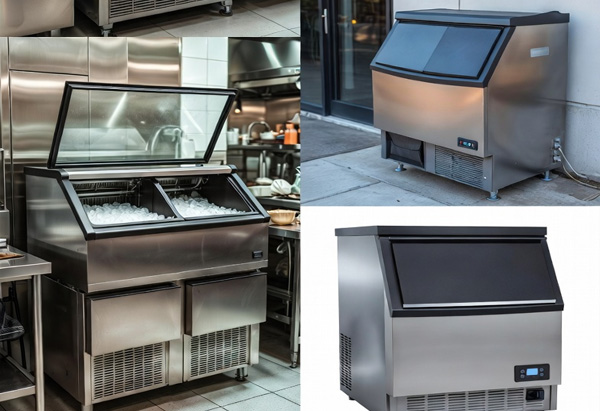
How do I calculate the right size commercial ice machine for my business?
Answer from IMP Staff • Published on January 25, 2026
BEST ANSWER: Calculating the perfect size for a commercial ice machine involves more than guessing—use a structured approach based on your business type, volume, and environment for optimal performance. Begin with ice demand estimation: the industry benchmark for restaurants is 1–2 pounds of ice per cover or meal served daily. A 120-seat casual dining spot might serve 300–500 meals/day, suggesting 450–1000 lbs needed. Bars and nightclubs often require higher (2–4 lbs per guest) due to heavy beverage focus. Hotels add ice for buckets, events, and vending. Healthcare or convenience stores lean toward lower but consistent use. Next, apply a 20–30% safety factor for variables like summer heat (reduces machine output), high cocktail sales, outdoor patios, or special events. Account for production derating: rated output assumes 70°F air/50°F water; hotter conditions cut 1–2% per degree above baseline. Ice type affects this too—nugget/flake machines produce faster but melt quicker. Storage bin size is critical: select one holding 50–150% of daily output to cover peaks without constant harvesting. For example, a 500 lb/day machine pairs well with a 300–500 lb bin. Space constraints matter—undercounter units (100–400 lbs) fit tight spots but limit scalability; modular heads (500–2000+ lbs) offer flexibility with separate bins. Energy and water use rise with larger units, so avoid extreme oversizing. Many brands provide online sizing tools—input your daily covers, peak hours, location climate, and application for tailored recommendations. Professional consultation catches nuances like water pressure or electrical needs. Right-sizing ensures no mid-shift shortages, minimizes bagged ice pricing, and keeps electricity/water bills reasonable over the 10+ year lifespan.