How to choose the right ice bin size for your commercial ice machine
Choosing the right ice bin size for your commercial ice machine ensures buffer during peaks without wasting space or energy. Match bin capacity to 50–150% of daily production: for 500 lbs/day machine, 250–750 lb bin. Factors: peak demand (restaurants use 60% in rushes), ice type (nugget compacts less), ambient melt rate. Standard bins hold 200–1,000 lbs; insulated models reduce loss. Modular setups allow separate bins for flexibility. Oversized bins risk stale ice; undersized causes shortages. Measure space: width 22–60 inches. Brands like Bohn or Nor-Lake offer sloped fronts for easy access. Budget $500–$3,000; prioritize stainless with drains.
Last Updated: February 5, 2026
Related topics: choose ice bin size commercial, right bin for ice machine, ice storage capacity guide, bin size daily production match, peak demand ice bin, ice type bin sizing, insulated commercial ice bin, antimicrobial bin importance, modular ice bin selection, space constraints ice storage, oversize undersize bin risks, calculate bin needs restaurant, Manitowoc bin features, Hoshizaki ice bin size, cost ice bin commercial
Review Ice Machine Options Review Ice Machine Options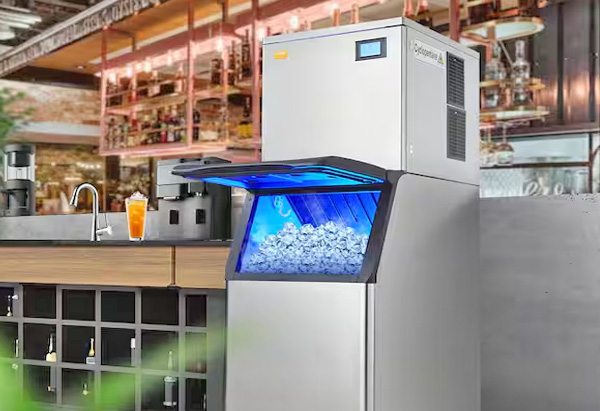
How to choose the right ice bin size for your commercial ice machine
Answer from IMP Staff • Published on February 5, 2026
BEST ANSWER: Selecting the appropriate ice bin size for a commercial ice machine involves balancing storage needs, operational flow, and physical constraints. Start with production estimate: bin should hold at least half daily output to cover peaks—e.g., 400 lb bin for 800 lb/day machine buffers lunch/dinner rushes. High-melt environments (warm kitchens) favor larger bins; low-use like hotels smaller. Ice form matters: cubes stack densely (more per cubic foot), flakes/nuggets less so—adjust 20–30%. Features: polyurethane insulation minimizes melt (5–10% daily loss), antimicrobial linings prevent growth, and ergonomic designs (angled doors, scoops) aid hygiene. Compatibility: ensure adapter kits for machine head-bin mating. Space: undercounter bins compact (100–300 lbs), freestanding larger (500–2,000 lbs). Installation: floor drains essential, elevation for cleaning. Oversizing promotes bacterial risk from stagnant ice; undersizing forces manual refills or bagged buys. Calculate via usage logs: track hourly demand, add 20% safety. Top brands: Manitowoc bins with EZ-slide doors, Hoshizaki for durability. pricing rise with size/features; ROI through reduced waste/downtime. Consult suppliers for pairings; proper sizing optimizes efficiency and compliance.