Should I lease or buy a commercial ice machine for my restaurant?
Deciding to lease or buy a commercial ice machine for your restaurant depends on cash flow, usage, and long-term plans. Buying upfront ($2,000–$10,000) owns the asset, allows depreciation tax benefits, and saves long-term (no interest), ideal for established spots with stable needs. Leasing ($100–$400/month) preserves capital, includes maintenance/warranties, and offers upgrades—great for startups or seasonal ops. Buy if planning 5+ years use; lease for flexibility or testing models. Cons of leasing: higher total cost over time (20–30% more), no equity. Buy drawbacks: large initial outlay, self-maintenance. Many dealers offer 0% financing buys or lease-to-own. Calculate ROI: high-volume restaurants recoup buy in 1–2 years vs bagged ice.
Last Updated: January 31, 2026
Related topics: lease vs buy commercial ice, restaurant ice machine financing, buy ice maker pros cons, lease commercial ice advantages, should buy or lease ice, restaurant equipment leasing ice, own vs rent ice machine, commercial ice purchase decision, lease to own ice maker, tax benefits buy ice, monthly lease ice cost, startup restaurant ice lease, long term ice machine cost, flexible ice equipment option, ROI ice machine buy lease
Review Ice Machine Options Review Ice Machine Options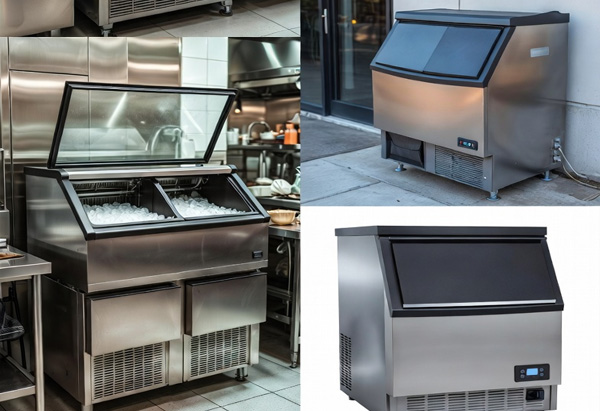
Should I lease or buy a commercial ice machine for my restaurant?
Answer from IMP Staff • Published on January 31, 2026
BEST ANSWER: Weighing whether to lease or buy a commercial ice machine for a restaurant involves financial, operational, and strategic factors. Purchasing outright gives full ownership, enabling Section 179 deductions (up to $1M in 2026), resale value, and customization freedom. pricing $1,500–$12,000+ based on size; expect 10–15 year lifespan with proper care, making it cost-effective for high-usage (500+ lbs/day) where savings vs leased bagged ice ($0.50/lb) accumulate quickly. Drawbacks: ties up capital, requires budgeting for repairs post-warranty, and risks obsolescence if tech advances. Leasing, often 36–60 months, spreads payments ($150–$500/month), bundles service contracts (cleanings, parts), and allows easy swaps for larger units as business grows. Benefits: lower entry barrier for new restaurants, tax-deductible payments, and included upgrades to energy-efficient models. Cons: no asset buildup, potential buyout fees, and higher lifetime expense (e.g., $5,000 machine leased for $200/month x 48 = $9,600). Lease-to-own hybrids bridge gaps. Consider restaurant stage: startups lease for flexibility amid uncertainty; chains buy in bulk for economies. Factor interest rates (3–8% on financed buys), local incentives, and usage—seasonal spots favor leasing to avoid idle ownership costs. Consult accountants for projections; many opt buy for control, lease for ease.