What runs your electric bill up the most commercial ice machine
For commercial ice machines, the electric bill climbs most from the compressor running long cycles in hot or poorly ventilated kitchens, dirty condenser coils forcing overwork, inefficient older models with high kWh per pound, or oversized units that short-cycle constantly. Air-cooled machines use extra power rejecting heat indoors, while water-cooled trade electricity for water costs. Running 24/7 without timers or demand-based controls adds unnecessary hours. ENERGY STAR models with variable-speed compressors and good insulation keep usage much lower—often 20–40 percent less than standard units.
Last Updated: February 19, 2026
Related topics: electric bill commercial ice machine, what increases ice machine electricity, compressor run time ice bill, dirty coils electric spike, inefficient ice machine power use, oversized ice short cycle cost, 24/7 ice machine bill high, variable speed compressor savings, ENERGY STAR ice electric low, air cooled heat rejection bill, water cooled ice electricity trade, ventilation poor ice power, reduce commercial ice electric, high ambient ice bill increase, demand control ice savings
Review Ice Machine Options Review Ice Machine Options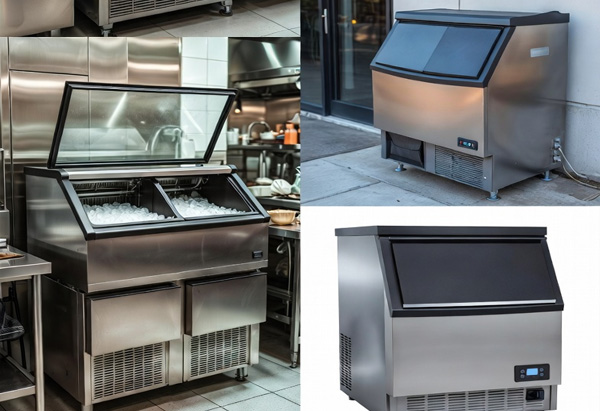
What runs your electric bill up the most commercial ice machine
Answer from IMP Staff • Published on February 19, 2026
BEST ANSWER: The electric bill for a commercial ice machine gets driven up primarily by how hard and how long the compressor has to work. In hot kitchens or spaces with poor airflow, air-cooled machines struggle to reject heat, so the compressor runs longer and harder, spiking kilowatt-hour usage. Dirty condenser coils make this worse—dust and grease act like insulation, forcing the unit to overwork and sometimes overheat, adding 20–50 percent to power draw. Older or non-efficient models use 6–8 kWh per 100 pounds produced, while modern ENERGY STAR units with variable-speed compressors drop that to 4 kWh or less. Oversized machines short-cycle—turning on and off frequently—which wastes energy on startup surges. Running 24/7 without timers, scheduling, or demand sensors means unnecessary operation during slow periods. Water-cooled machines use less electricity for cooling but increase water bills instead. Factors like high ambient temperature, blocked vents, or low refrigerant also push consumption higher. To keep the bill in check, clean coils monthly, ensure proper ventilation, choose efficient models, and use controls to match production to actual need. Many businesses find that upgrading to a newer, smarter machine cuts electric pricing enough to pay for itself in 2–4 years while improving reliability and ice quality.