
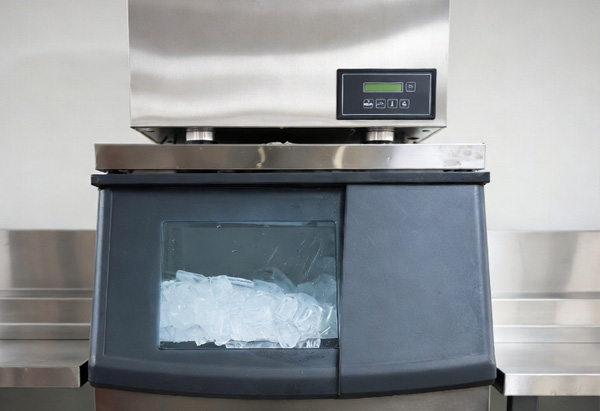
Direct answer: A useful maintenance plan combines routine staff checks with manufacturer-specified cleaning and qualified service. Low production can come from dirty condensers, scale, restricted water or airflow, warm conditions, control faults or normal bin shutoff. Do not bypass safety controls or treat a sanitation problem as a simple reset.
Use this answer with the commercial ice machine maintenance and uptime guide to include cleaning, service access and downtime in the ownership plan.
Start with safe observations
Check power, water supply, visible leaks, bin level, room temperature, blocked airflow and displayed codes. Compare the symptom with the manual. Stop using ice that may be contaminated and call qualified service for electrical, refrigerant or internal mechanical work.
Prevent repeat failures
Log cleaning, filters, service calls, production complaints and replaced parts. Recurring freeze, harvest or drain problems may point to water, installation or environmental conditions rather than a defective machine alone.
Protect uptime deliberately
Name the service contact, approval process and emergency ice source before a failure. For critical operations, compare the cost of redundancy with the consequence of losing all production.
Buyer checklist
- Daily visual and sanitation checks
- Filter and descaling schedule
- Condenser access and cleaning
- Service history by model and serial
- Escalation and emergency supply
- Replacement trigger for recurring failures
Turn the checklist into comparable quotes
Give suppliers the same demand, equipment and installation requirements so price differences are meaningful.
Reviewed September 9, 2026. Verify current manufacturer instructions, warranty terms and local requirements for the exact equipment and installation.