
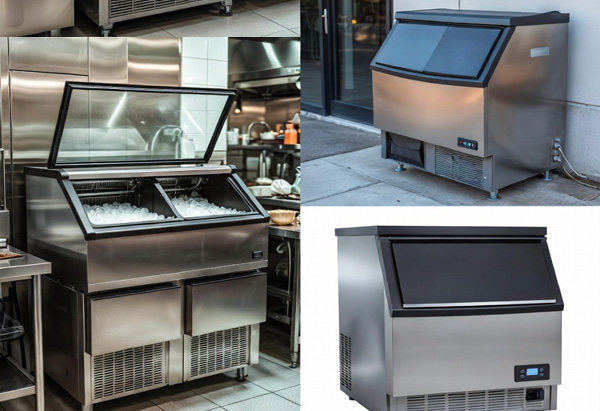
Direct answer: Ice is handled as food, so the machine, bin, scoop, dispenser and surrounding work area need documented cleaning and sanitation. Filtration should address the site’s water conditions while maintaining required flow. Follow the exact machine manual, approved chemicals and applicable food-code requirements rather than a generic cleaning interval.
Use this answer with the commercial ice machine maintenance and uptime guide to include cleaning, service access and downtime in the ownership plan.
Water treatment must fit the site
Test or obtain current water-quality information before selecting filtration. Sediment, chlorine taste, hardness and scale require different treatment. An undersized filter can restrict flow; an ignored cartridge can become part of the problem.
Cleaning and sanitizing are separate work
Cleaning removes soil and mineral buildup. Sanitizing reduces microorganisms after surfaces are clean. Assign responsibility for the water circuit, evaporator or auger, chute, bin, scoop, dispenser nozzle and exterior contact points.
Write the routine down
Use the manufacturer’s procedure and chemical concentrations, record completed work and trigger additional cleaning after contamination, prolonged shutdown or service. Train staff not to handle ice with glassware or store unrelated items in the bin.
Buyer checklist
- Current water-quality evidence
- Correct filter type and flow
- Manufacturer cleaning procedure
- Approved cleaner and sanitizer
- Assigned schedule and log
- Safe scoop and bin handling
Turn the checklist into comparable quotes
Give suppliers the same demand, equipment and installation requirements so price differences are meaningful.
Sources and review notes
This answer was reviewed September 9, 2026. Pricing examples, specifications, incentives and regulations can change; verify the current model documents and local requirements before purchase or installation.