
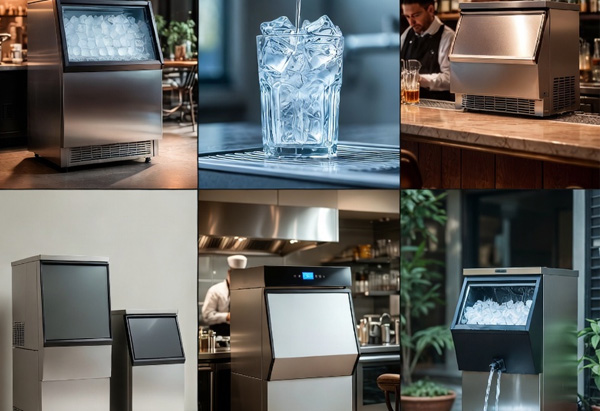
Direct answer: A commercial ice machine does not have one guaranteed lifespan. Duty cycle, water quality, condenser conditions, cleaning, installation, repairs and parts support determine useful life. Replace by condition and ownership cost—not age alone—when reliability, sanitation, efficiency or serviceability no longer meets the operation’s needs.
Use this answer with the commercial ice machine maintenance and uptime guide to include cleaning, service access and downtime in the ownership plan.
Hard use accelerates wear
A machine running near maximum output in a hot or greasy room experiences a different life than one with moderate demand and clean airflow. Scale, restricted water and neglected condensers can extend cycles and stress components.
Maintenance history changes the decision
Review repeated service calls, production complaints, leaks, freeze and harvest issues, parts availability and cleaning records. A major repair can be reasonable on a supported machine; repeated failures with long downtime can make replacement more economical.
Plan replacement before failure
Compare current output, energy and water data, refrigerant, warranty options and future demand. Document an emergency-ice plan and obtain replacement proposals before the machine becomes operationally critical.
Buyer checklist
- Age and duty cycle
- Water and condenser conditions
- Production versus current demand
- Repair frequency and cost
- Parts and refrigerant support
- Sanitation condition and downtime
Turn the checklist into comparable quotes
Give suppliers the same demand, equipment and installation requirements so price differences are meaningful.
Reviewed September 9, 2026. Verify current manufacturer instructions, warranty terms and local requirements for the exact equipment and installation.