National Ice Systems supports commercial operations throughout Aberdeen with reliable ice machine systems engineered for continuous output, sanitation control, and predictable operating cost. Facilities across Aberdeen and surrounding markets depend on properly sized commercial ice machines to support daily service volume without downtime risk.
View Commercial Ice Systems
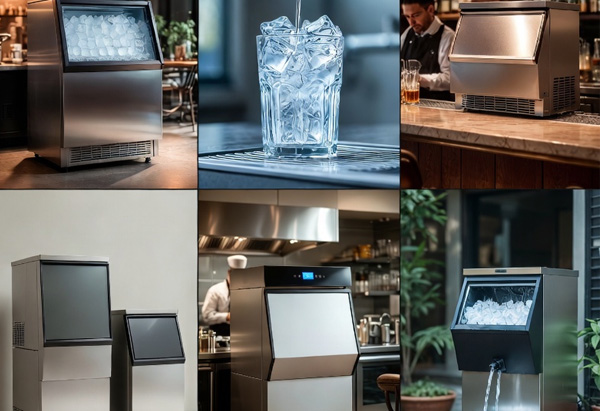
Ice demand in Aberdeen varies widely by industry. Restaurants, hotels, healthcare facilities, laboratories, and food distribution operations all rely on ice as a critical input. Facilities operating across Sioux Falls, Rapid City, and Aberdeen often evaluate ice machine capacity, storage configuration, and redundancy to ensure uninterrupted operation during peak demand.
Selecting the right commercial ice machine type helps operations avoid underproduction during busy periods or excess energy usage from oversized systems.
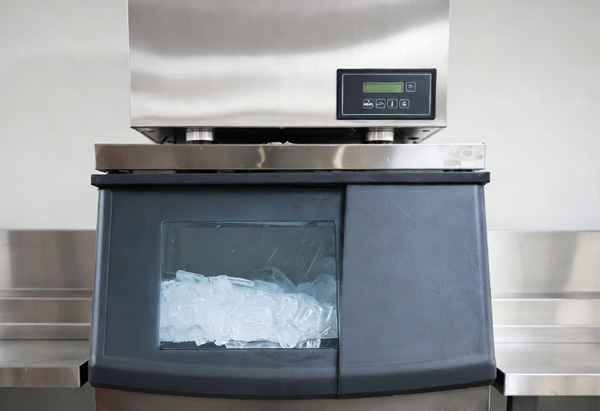
Commercial ice machine pricing in Aberdeen is influenced by daily ice output, condenser configuration, water quality conditions, and expected duty cycle. While equipment price matters, long-term operating cost — including electricity, water usage, filtration, and maintenance — often represents the largest expense over time.
Facilities comparing systems frequently review commercial ice machine prices alongside energy efficiency to evaluate total cost of ownership, not just upfront purchase cost.
Commercial operations in Aberdeen face ice production challenges driven by daily volume, sanitation requirements, and operating environment. These questions address common considerations from facilities operating locally and across nearby cities such as Sioux Falls, Rapid City, and Aberdeen.
Proper sizing depends on daily ice usage, peak service periods, and whether ice is mission-critical to operations. Facilities in Aberdeenoften size systems with production buffers to maintain output during maintenance cycles or unexpected demand spikes.
Operating cost is influenced by condenser efficiency, ambient temperature, water conditions, filtration requirements, and maintenance intervals. Facilities operating in warmer regions or high-volume environments often prioritize energy-efficient systems to control long-term expense.
Yes. Many commercial ice systems are designed to scale. Facilities expanding from Aberdeeninto additional locations across South Dakotaoften add modular machines or secondary systems rather than replacing existing infrastructure. Planning scalability early reduces future capital disruption.
In Aberdeen, commercial ice machine problems usually surface when opening a new location exposes sanitation and health-code issues. What looks like a simple equipment decision quickly becomes an operational issue tied to reliability, sanitation, and consistent output. Most buyers avoid overbuying by understanding different ice machine styles before comparing models or vendors. Two resources buyers often reference are value of energy-efficient commercial ice machines explained for buyers and practical guidance on daily ice production for restaurants. In practice, long-term satisfaction is driven by machine type and configuration and maintenance frequency, making it smart to validate peak-hour demand before committing.
Facilities operating across industrial ice systems in Rapid City often reference guidance like this ice machine FAQ as ice demand becomes mission-critical.
Growth exposes ice production weaknesses that low-volume use rarely reveals. Facilities must balance ice type, production capacity, energy use, and reliability. High-volume ice machines frequently operate near continuous duty cycles. when equipment runs continuously.